
What is Steel Framing?
Cold-formed steel (CFS) framing uses light-gauge steel studs, tracks, joists, and other structural components roll-formed. Because it's formed cold rather than hot, the material holds tight tolerances and a high strength-to-weight ratio. It is a practical choice for both load-bearing and non-load-bearing work across residential and commercial projects.
At Cover Up LLC, we handle CFS framing for residential and commercial construction. That includes interior partition walls, exterior load-bearing assemblies, and floor and ceiling systems. We work directly with contractors and developers to make sure framing gets done right the first time, on schedule and within spec.
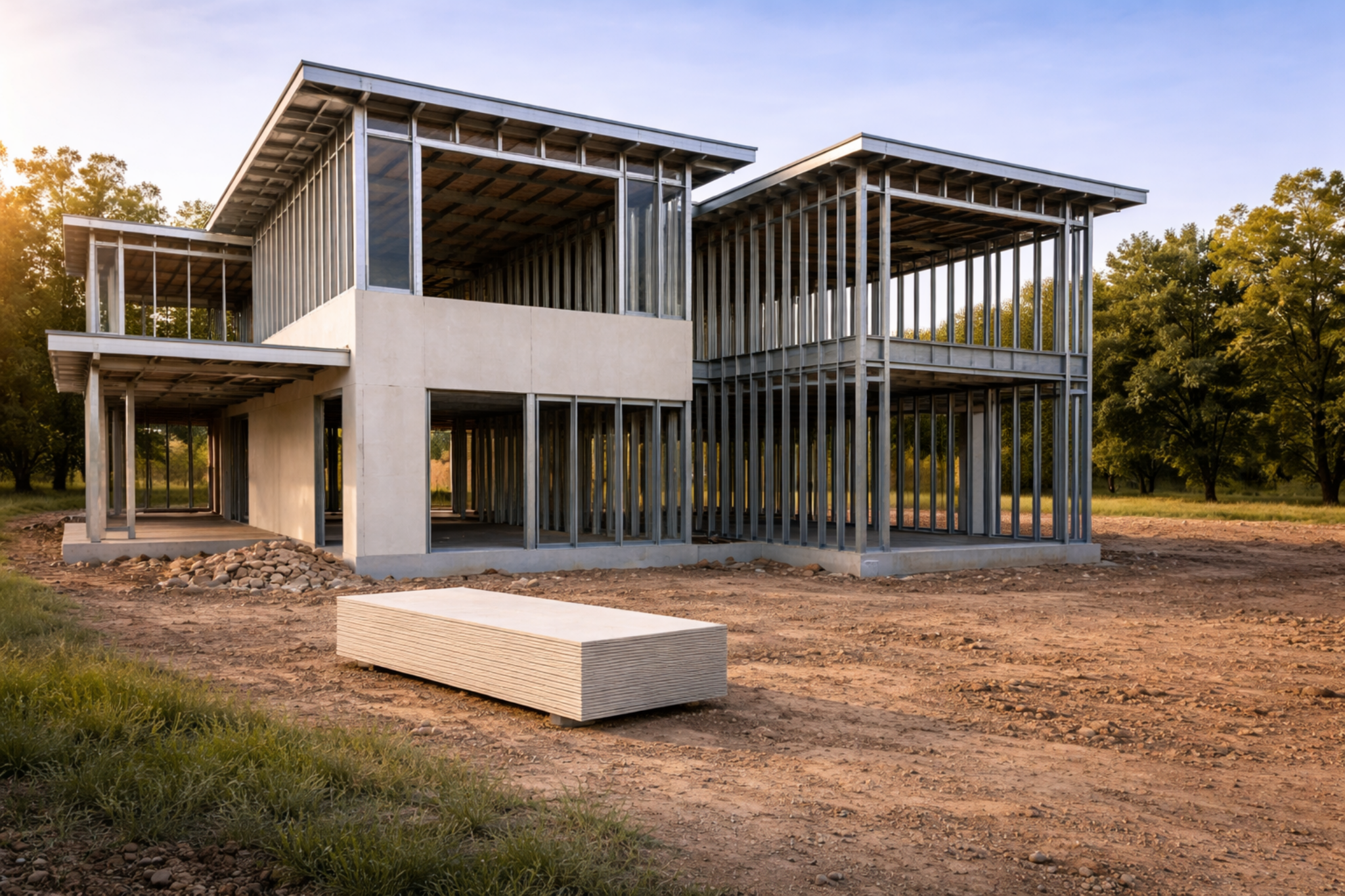
Steel vs Wood
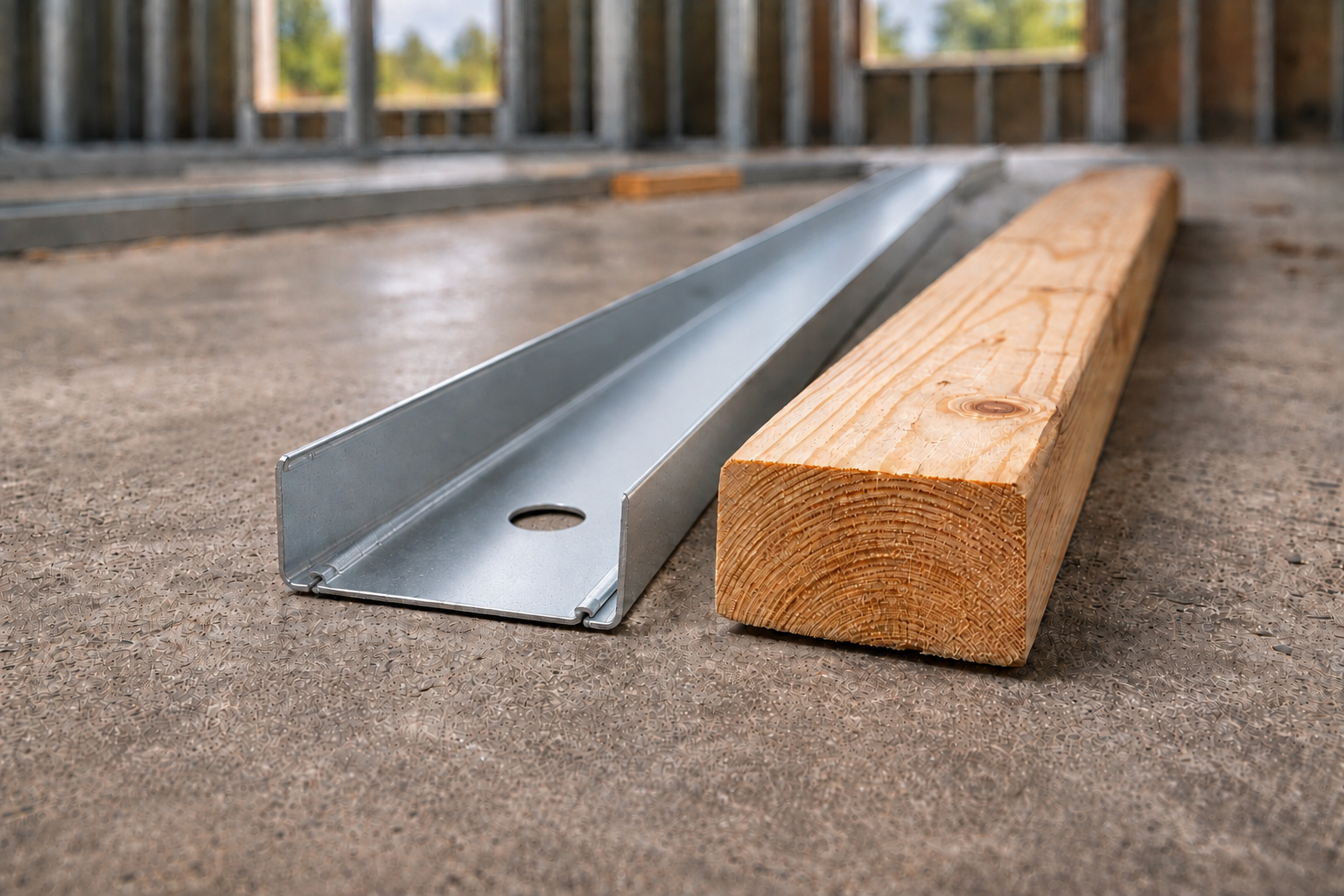
-
Steel won’t split, crack, twist, or deteriorate with age the way wood framing can. It maintains its strength and structural integrity over time, giving your building a longer service life and fewer maintenance headaches down the road.
-
Steel is non-combustible, meaning it won't ignite or fuel a fire the way wood can. This can reduce overall fire risk on a project and may lower insurance premiums for the building owner. It's an especially important advantage for commercial and multi-family construction.
-
Steel won’t split, crack, twist, or deteriorate with age the way wood framing can. It maintains its strength and structural integrity over time, giving your building a longer service life and fewer maintenance headaches down the road.
-
Unlike wood, steel doesn't provide a food source or nesting ground for termites, carpenter ants, or rodents. In areas where pest damage is a concern, steel framing eliminates one of the most common and costly structural problems wood-framed buildings face.
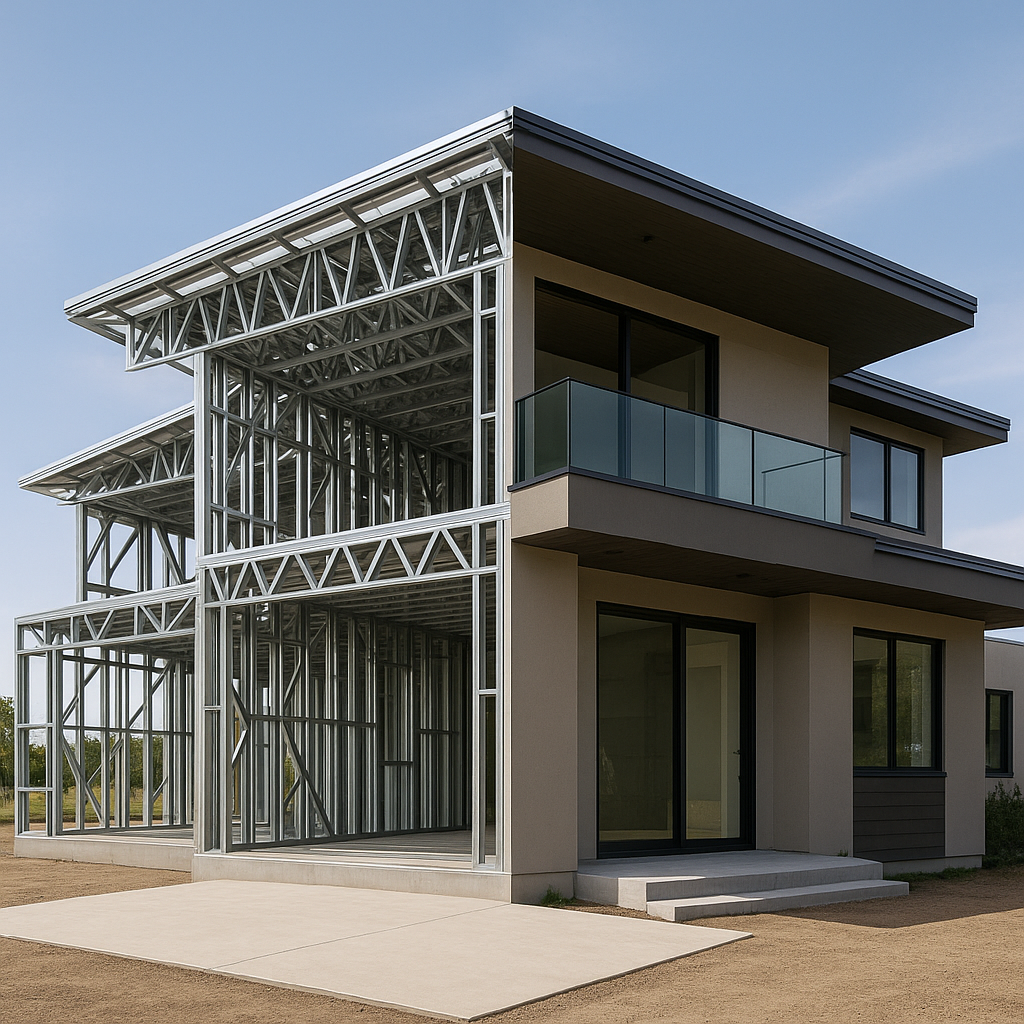
Speed
Steel framing goes up faster than wood because the components are pre-cut to spec and there's no need to sort through warped or crowned lumber. Less material waste means a cleaner job site and lower disposal costs. Faster framing means your project stays on schedule.
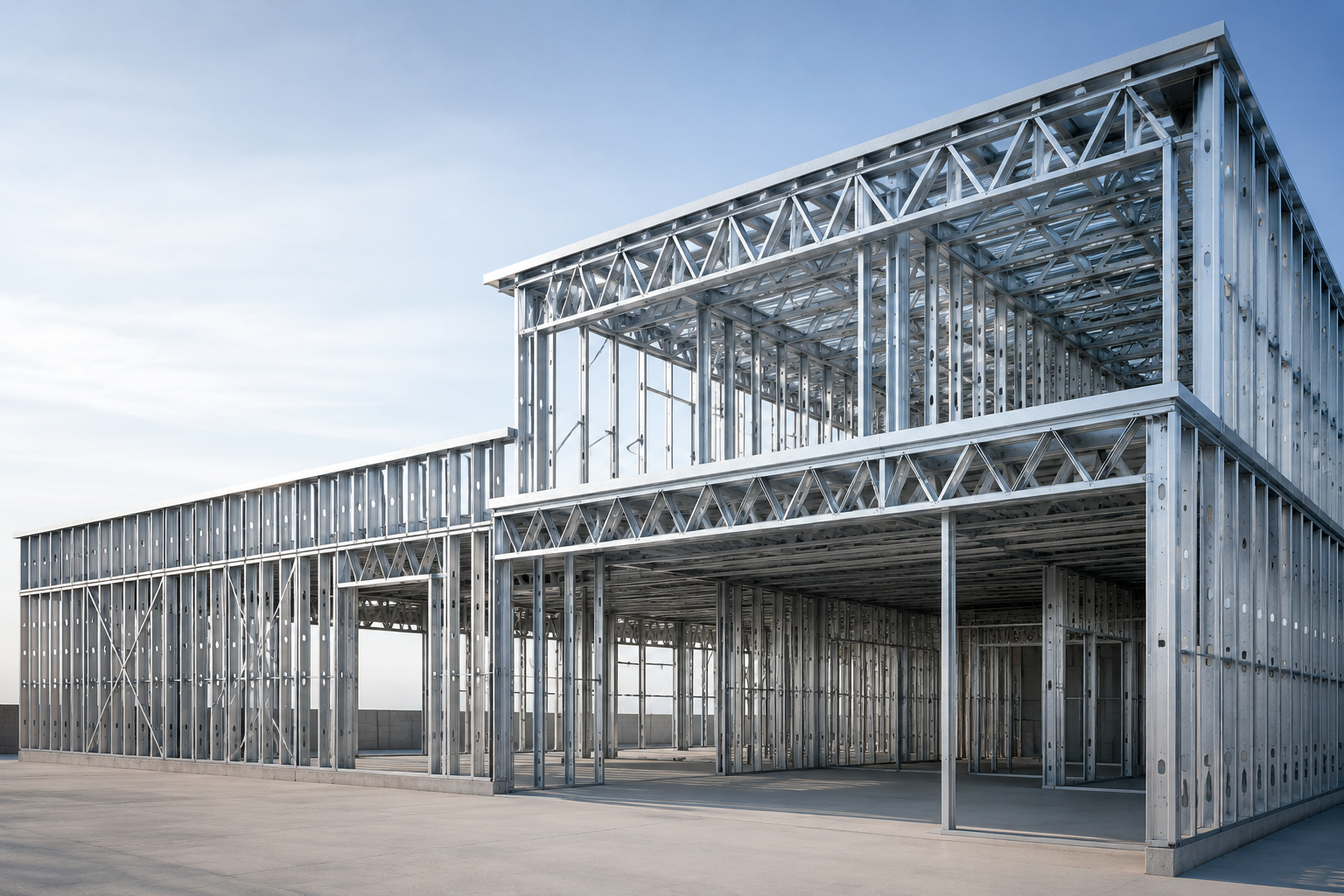
Dimensional Consistency
Steel studs come out of the factory to precise, consistent dimensions every time. Unlike wood, which can have crowns, bows, and warping from moisture, steel stays straight and true. This means faster layout, tighter tolerances, and walls that stay plumb and flat over the life of the building.